
By their very nature, engineers are expert planners who are trained to take many factors into consideration as they design, .

According to the U.S. National Aeronautics and Space Administration (NASA), climate change is defined as a long-term change in the .
With electricity powering every corner of life and work in modern society, the absence of reliable access to electricity can .
Climate change, the long-term shift in temperature and average weather patterns, is a huge societal concern. Extreme precipitation, wildfires, and .
Today’s residential and business sectors have never been more dependent on the reliable flow of electricity. From consumers demanding instantaneous .
The finite element method (FEM) is essentially very complex math used by engineers to reduce the number of prototypes and .
Smart inverters are advanced power electronics that bring autonomy to electrical grids, making them more reliable, resilient, and secure. These .
Climate change. The COVID-19 pandemic. Cyber security attacks. Artificial intelligence (AI) and data privacy regulations. The shift to 5G. These .
Renewable energies are surging. Between 2011 and 2020, the amount of energy the United States generated from solar and wind .
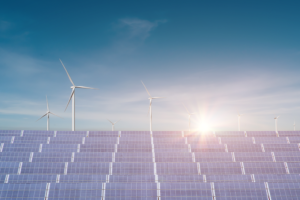
Global temperatures are soaring. Since pre-industrial times, human activity has warmed the planet global by 2 degrees Fahrenheit. Any further .





© Copyright IEEE – All rights reserved. Use of this website signifies your agreement to the IEEE Terms and Conditions. A not-for-profit organization, IEEE is the world's largest technical professional organization dedicated to advancing technology for the benefit of humanity.
